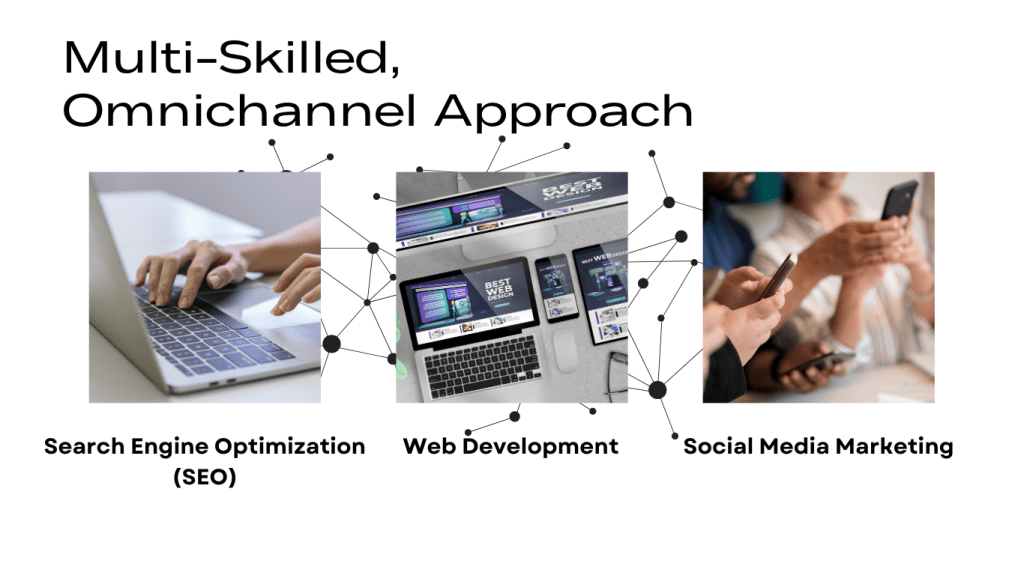

Search Engine Optimization
Understanding of Search Engine Algorithms
- Knowledge of Ranking Factors: Familiarity with how search engines like Google and Bing rank websites, including factors such as site speed, keyword relevance, backlink quality, and user experience.
- Adaptability: Ability to quickly adapt strategies to align with the latest SEO best practices and algorithm updates.
Keyword Research
- Identifying Keywords: Proficiency in finding seed keywords, long-tail and short-tail keywords, and conducting keyword analysis.
- Target Audience Insight: Understanding what your target audience is searching for and optimizing content accordingly.
Technical SEO
- Website Infrastructure: Skills in optimizing website infrastructure and code for better search engine performance.
- Issue Identification: Ability to identify common issues such as broken links, duplicate content, and loading speed.
On-Page Optimization
- Content Optimization: Expertise in making changes to improve the content of web pages to perform better on search engine results pages (SERPs).
- SEO-Friendly Content: Writing content that is both engaging and optimized for search engines.
Link Building
- High-Quality Links: Identifying and securing high-quality link opportunities to improve search rankings.
- Outreach: Using tools and techniques for efficient communication with webmasters and securing backlinks.
Analytical Skills
- Data Analysis: Proficiency in using tools like Google Analytics to track and analyze website performance.
- Competitor Analysis: Researching competitors’ strategies to identify opportunities and improve your own SEO efforts.
Critical Thinking and Problem-Solving
- Creative Solutions: Ability to think creatively and critically to address unique challenges and opportunities for each website.
- Prioritization: Knowing which tasks and strategies to prioritize for maximum impact.
Content Creation
- High-Quality Content: Creating engaging and valuable content that attracts and retains visitors.
- Content Strategy: Developing a content strategy that aligns with SEO goals and drives organic traffic.
Communication Skills
- Client Interaction: Effectively communicating SEO strategies and results to clients or stakeholders.
- Team Collaboration: Working collaboratively with other team members, such as content creators and web developers.
Continuous Learning
- Staying Updated: Keeping up with the latest trends, tools, and best practices in SEO.
- Professional Development: Engaging in continuous learning and professional development to stay ahead in the field.

Website Development
HTML & CSS
- HTML: Proficient in creating and structuring web content using HTML5, including elements, attributes, and semantic tags.
- CSS: Skilled in styling web pages with CSS3, including layout techniques, responsive design, and CSS frameworks like Bootstrap.
JavaScript
- Fundamentals: Understanding of core JavaScript concepts such as variables, functions, loops, and events.
- DOM Manipulation: Ability to interact with and manipulate the Document Object Model (DOM) to create dynamic web pages.
Responsive Design
- Media Queries: Experience in using media queries to ensure websites are mobile-friendly and responsive across different devices.
- Flexbox & Grid: Proficiency in using CSS Flexbox and Grid for creating flexible and adaptive layouts.
Version Control
- Git: Familiarity with version control systems like Git, including basic commands, branching, and merging.
- GitHub: Experience in using GitHub for code collaboration and project management.
Advanced SEO
- On-Page SEO: Understanding of basic SEO principles, including meta tags, alt attributes, and keyword optimization.
- Performance Optimization: Knowledge of techniques to improve website performance, such as image optimization and minification.
Web Accessibility
- WCAG Guidelines: Awareness of Web Content Accessibility Guidelines (WCAG) to ensure websites are accessible to all users.
- ARIA: Familiarity with Accessible Rich Internet Applications (ARIA) to enhance web accessibility.
Basic Backend Knowledge
- Server-Side Basics: Understanding of basic server-side concepts and technologies, such as HTTP requests and responses.
- Database Basics: Familiarity with basic database concepts and SQL for managing data.
Debugging & Testing
- Browser DevTools: Proficiency in using browser developer tools for debugging and testing web pages.
- Basic Testing: Knowledge of basic testing techniques to ensure code quality and functionality.
Content Management Systems (CMS)
- WordPress: Experience in using WordPress for building and managing websites.
- Customization: Ability to customize themes and plugins to meet specific requirements.
Continuous Learning
Professional Development: Engaging in continuous learning through online courses, tutorials, and community involvement.
Staying Updated: Commitment to staying updated with the latest web development trends and best practices.

Social Media Marketing
Content Creation
- Engaging Posts: Ability to create compelling and engaging content tailored to different social media platforms.
- Visual Design: Proficiency in designing eye-catching graphics and visuals using tools like Canva, Adobe Photoshop, or Illustrator.
Platform Expertise
- Multi-Platform Management: Experience in managing accounts on various platforms such as Facebook, Instagram, Twitter, LinkedIn, and TikTok.
- Platform-Specific Strategies: Understanding the unique features and best practices for each platform to maximize reach and engagement.
Audience Engagement
- Community Building: Skills in building and nurturing online communities through active engagement and interaction.
- Customer Service: Providing prompt and helpful responses to customer inquiries and feedback on social media.
Analytics & Reporting
- Data Analysis: Proficiency in using analytics tools like Google Analytics, Facebook Insights, and Hootsuite to track performance and measure ROI.
- Reporting: Ability to create detailed reports on social media metrics and use data to inform strategy.
Campaign Management
- Strategic Planning: Developing and executing social media campaigns that align with business goals and objectives.
- Budget Management: Managing budgets for paid social media campaigns and optimizing ad spend for maximum impact.
SEO & SEM Integration
- SEO Knowledge: Understanding of how social media content can impact search engine rankings and incorporating SEO best practices.
- SEM Coordination: Coordinating social media efforts with search engine marketing (SEM) strategies for cohesive digital marketing.
Influencer Collaboration
- Influencer Outreach: Identifying and collaborating with influencers to amplify brand messages and reach new audiences.
- Partnership Management: Building and maintaining relationships with influencers and brand ambassadors.
Trend Awareness
- Staying Updated: Keeping up with the latest social media trends, tools, and best practices to stay ahead of the curve.
- Trend Utilization: Leveraging current trends and viral content to boost engagement and visibility.
Content Scheduling & Automation
- Scheduling Tools: Proficiency in using tools like Hootsuite, Buffer, and Sprout Social to schedule posts and manage content calendars.
- Automation: Implementing automation tools to streamline social media workflows and improve efficiency.
Creativity & Innovation
Problem-Solving: Using creative problem-solving skills to address challenges and optimize social media strategies.
Creative Campaigns: Developing innovative and creative social media campaigns that capture attention and drive engagement.


 Krista Hammack | Digital Marketing and Communications